
Pipe break repair · Conway, SC
Pipe Break Repair in Conway, SC: Burst Lines, Shut-Off Steps and Cleanup
When a pipe breaks, the first ten minutes decide how much of the house gets wet. These are the steps to take before anyone arrives, how a break is repaired and what to do about the water afterward. Conway pipe break repair starts with closing the main valve and ends with replacing the failed section.
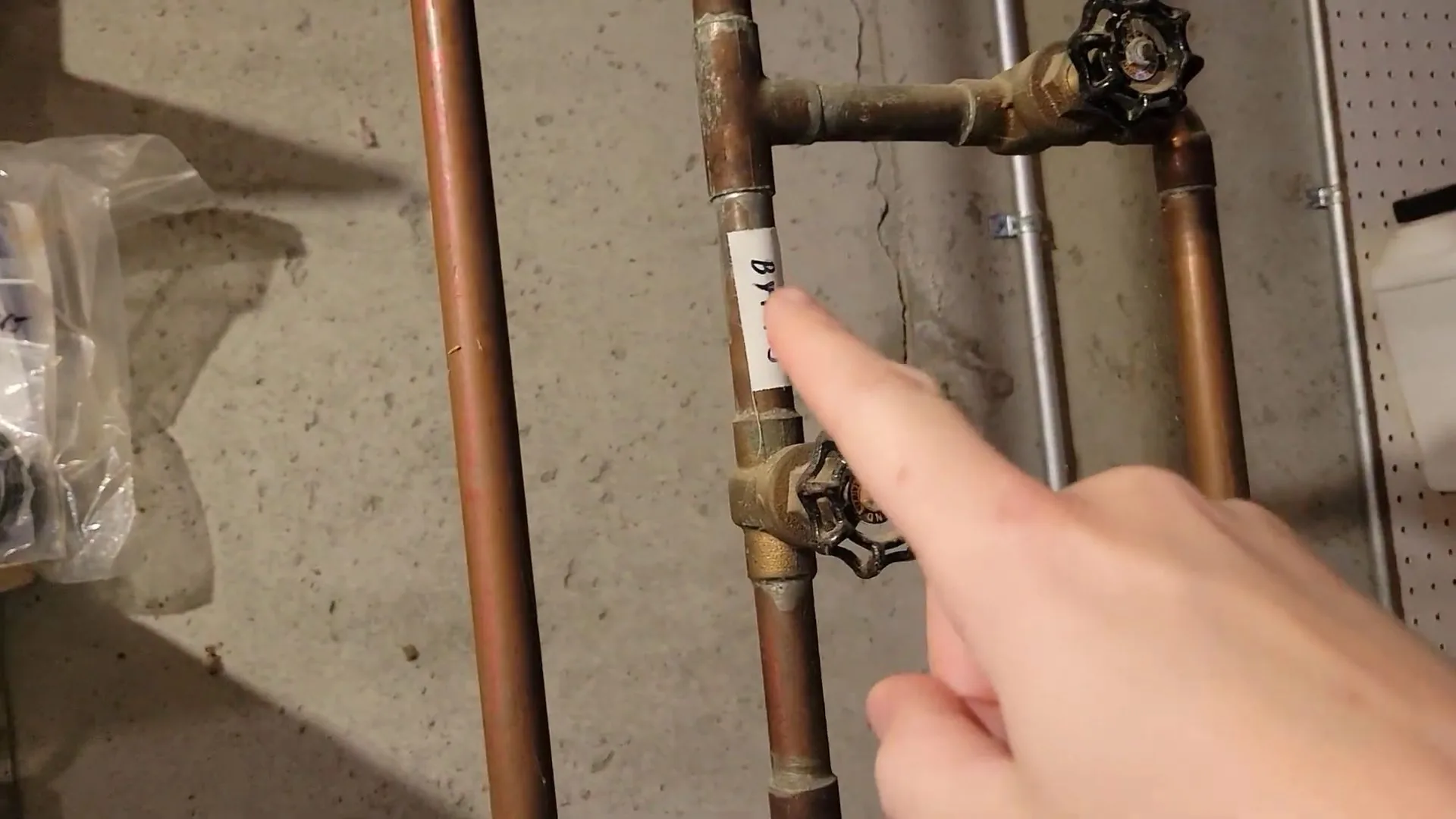
The first ten minutes: shut it off and slow the damage
- Close the main water valve. It is usually near the meter box or where the supply line enters the house. The valve inside the meter box belongs to the utility, so if you cannot find or close your own main, call the water office rather than forcing it.
- Open a low faucet, such as an outdoor spigot or a tub, to drain pressure and the lines above the break.
- Turn off the water heater if the tank is draining, and switch off power to wet areas if you can reach the panel without stepping in water.
- Move valuables and lift what you can off wet floors, then start towels and containers on the worst spots.
- Call us at (833) 571-0120 and tell us where the water is, what is already shut off and whether it is coming from a wall, ceiling, floor or yard.
If the water cannot be stopped at all, or the break is on the street side of the meter, call the City of Conway at 843-248-1780 or, outside the city, the water provider serving your address.
Why pipes break in and around Conway
Hard freezes are not the main cause here. The Conway weather station records about 39 days a year at or below 32 degrees and only about two at or below 20, so freeze bursts are an occasional event, not a yearly one. More often a break comes from age and wear: aging galvanized steel, pinholes in copper, brittle gray polybutylene supply line sold from about 1978 into the mid-1990s, a failed fitting or a connector that has let go behind a washer or toilet.
The ground plays a role too. Sandy soil with a shallow water table, heavy rain and a river that floods can shift soil around buried lines, stress joints and carry roots toward a leaking fitting. Pressure is another factor. A supply line that sees high household pressure for years will eventually fail at its weakest point.
Water still running? Close the main and call (833) 571-0120 while you work on the next step.
Frozen pipes on the few cold nights
When a freeze does arrive, the vulnerable pipes are the ones outside the heated envelope: exposed lines in a crawl space, garage or attic, outdoor spigots without insulated covers and supply lines in exterior walls. Leave a trickle of water running at a faucet on those lines, open cabinet doors under sinks on outside walls and shut off and drain outdoor spigots. If a pipe has frozen but not yet split, warm the area slowly with indoor heat and do not use an open flame. If it has split, shut off the main immediately and call.
A pipe that froze once is likely to freeze again at the same spot. Insulation or rerouting the line is the lasting answer.
How a broken pipe is repaired
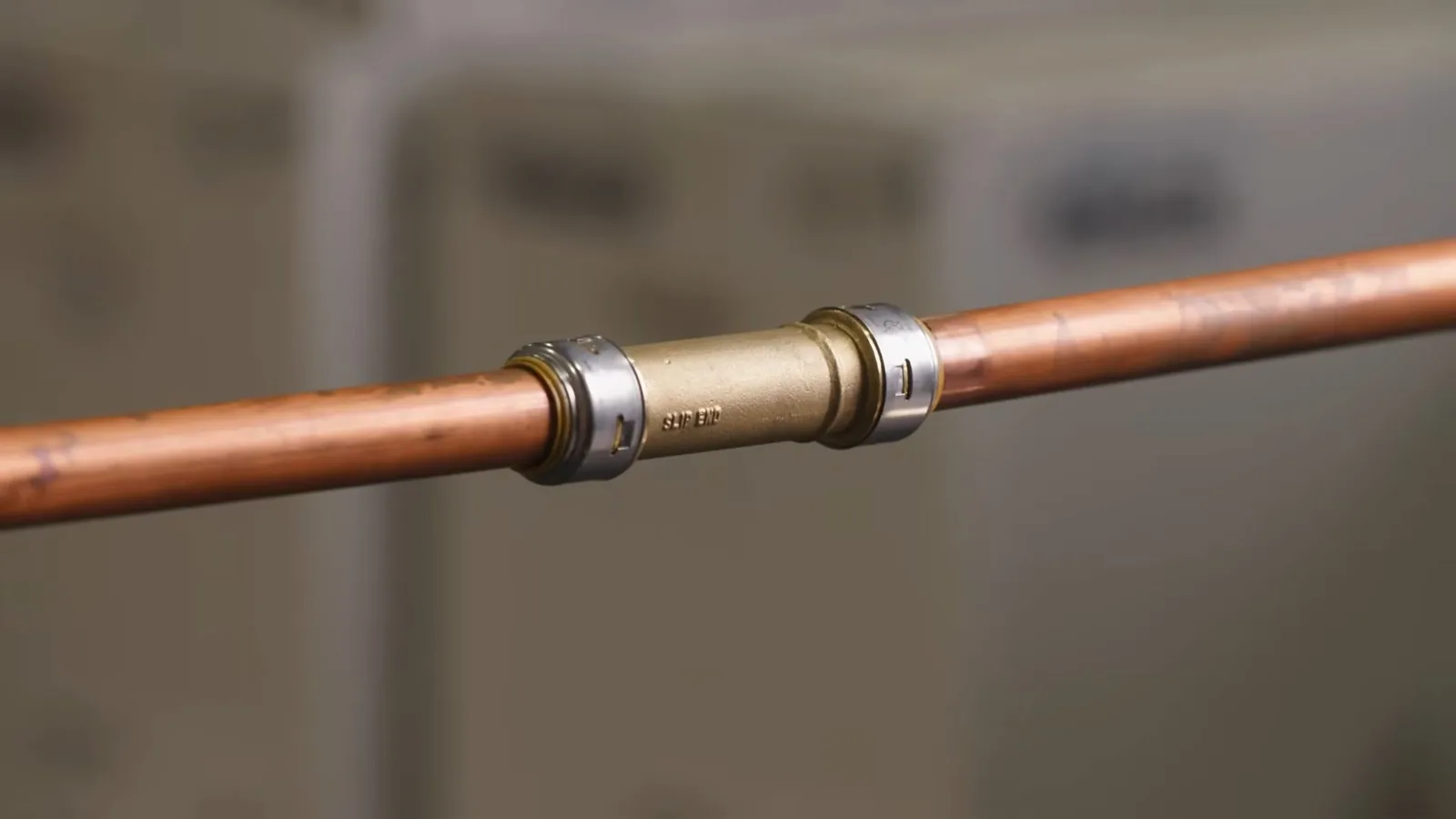
Once the water is off, the plumber opens only what is needed to reach the break, which usually means a small hole in drywall, a section of ceiling or a trench across a yard. The failed section is cut out and replaced with new pipe and fittings suited to the existing material, and the line is pressure tested before anything is closed up. Where the pipe is exposed, the fix can take a short visit. Where it is behind a finished wall or under a floor, the repair includes access and restoration to a rough patch, and finish work such as paint or tile is a separate trade.
A single break on a sound system is a straightforward repair. Two or more failures on the same system within a short period is a pattern, and it is the time to talk about replacing the line rather than chasing the next leak.
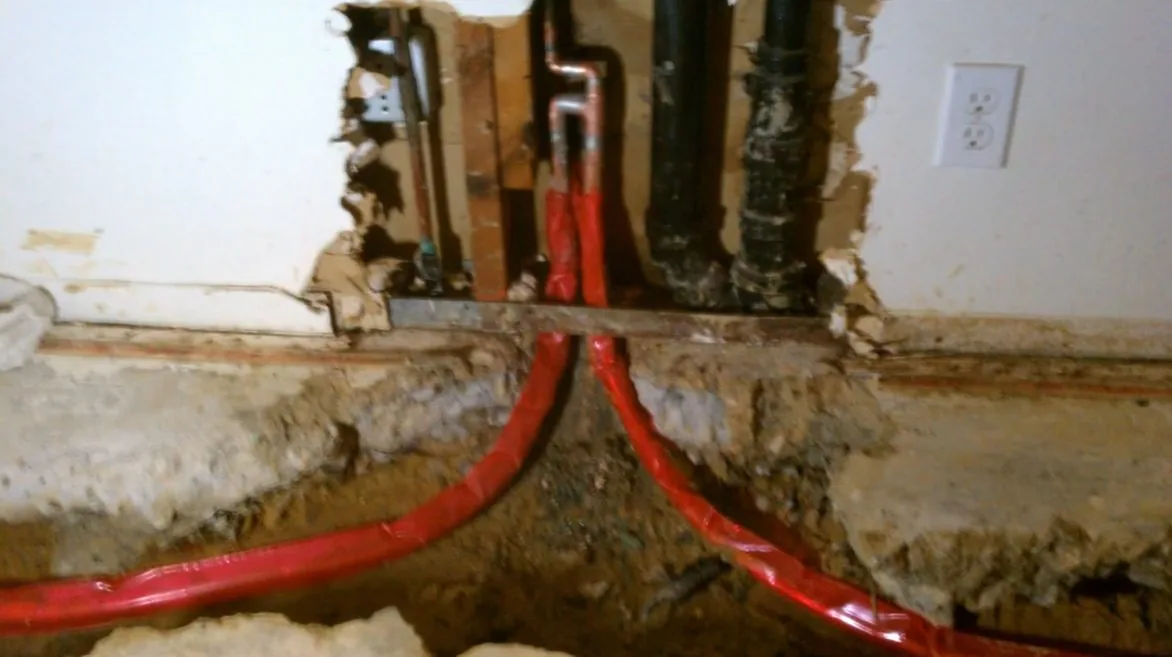
Water damage from a burst pipe
The quicker standing water comes out, the less it spreads. Bag soaked rugs and pillows, lift wet furniture off carpet and open windows for airflow if humidity allows. Wet drywall, insulation and flooring need professional drying to stop mold, and the work of extracting water and drying structure has its own page: water damage removal and drying. Take photos before you clean up, and keep receipts for your insurer. We handle the plumbing repair and, for removal and drying, the steps on that page.
Hidden breaks: slow leaks behind walls and under slabs
Not every broken pipe floods a room. A cracked line behind a wall or under a slab can leak slowly for weeks before stained drywall or a high bill gives it away. If you see a rising meter with the whole house shut off, follow the steps on the leak detection page. If the leak is beneath a concrete floor, see slab leak repair.
After the repair: restarting the water without a second failure
Open the main valve slowly and walk the house looking for drips before you turn any fixture back on. Run the cold taps first to push out air, then the hot. After a freeze, check that the water heater has refilled before its power or gas is switched back on, because a tank that fires while empty can be damaged.
Read the meter again with every tap closed, and keep the reading. If it still moves, a second break is hiding somewhere, and the leak detection explains how to find it. Photograph the damage and the repair for your records before anything is dried out or thrown away.
Homes and businesses we repair broken pipes for
Residential repairs are the most common call, and business properties get the same approach with more attention to shutting off a larger system and keeping the space usable. Tell us the building type and how many fixtures are affected when you call. Calls come from Conway and the neighborhoods around it, including Wild Wing Plantation, plumbing in Aquila Estates and plumbing in Hillsborough, as well as Red Hill and Homewood. See every area on the areas we serve page.
Digging for an outdoor break requires a call to 811 first, which takes three to twelve full working days. South Carolina requires a license for residential plumbing work over $500, which you can verify at verify.llronline.com, and permits depend on the scope and your address, so check with Construction Services at 843-488-9888 inside the city or Horry County Code Enforcement at 843-915-5090 outside it.
Water will not stop? Shut the main and call
Tell us where the water is coming from, what you have shut off and whether anything electrical is wet. We will tell you what we can do and when.