
Slab leak repair · Conway, SC
Slab Leak Repair in Conway, SC: Signs, Locating and Fixes Under the Floor
A leak in a pipe under a concrete slab is hard to see and expensive to ignore. This page explains the signs, how the leak is located and the choices that follow, and it is honest about what we do and do not know about slab homes in Conway.
Signs that water may be leaking under the slab
Slab leaks are rarely dramatic. The most common signs are quiet ones:
- A water bill that rises with no change in habits, or a water meter that keeps moving with every tap off. The steps for checking the meter are on the leak detection page.
- The sound of running water in a quiet house when nothing is on.
- A warm spot on a floor, which can mean a hot water line is leaking beneath it.
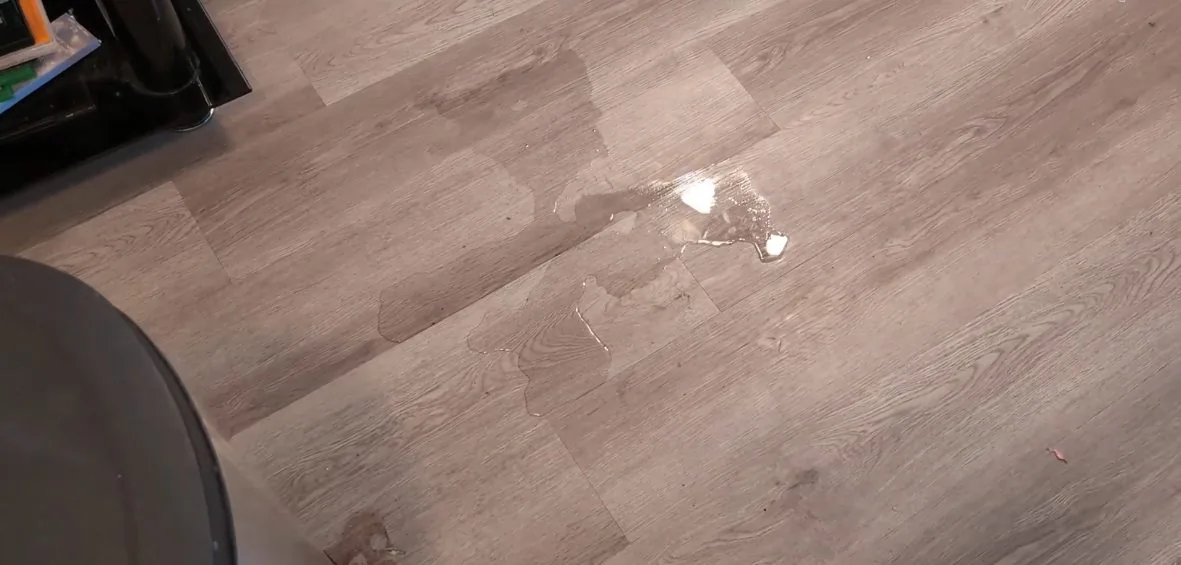
- Damp or stained flooring, lifting laminate or tile, or musty smells with no visible source.
- Low hot water pressure, or a water heater that seems to run constantly.
- Cracks in walls or baseboards near the floor, or water seeping through a slab joint.
None of these proves a slab leak. A leak in an interior wall, a failing fixture or a running toilet can look the same. That is why the first step is always to confirm that water is escaping and then isolate where.
Are most Conway homes on a slab? It varies by house
Conway homes are a mix of ages and foundations. The public data show the median home in Conway city was built around 2001, about 22 percent of homes predate 1970 and about 52 percent were built since 2000. A Conway house may sit on a slab or on a crawl space, so the first question on any call is how your house is built.
If your home is on a slab, the water supply lines usually run through or beneath it. If it is on a crawl space, the same leak would be visible from below, and a different page applies: Leak tracing.
Conway soil, home age and construction: what raises slab risk
Terms from the dry Southwest, such as caliche, do not describe Conway. Our soils are sandy and loamy, with a shallow water table in winter and spring in much of the area. USDA soil data show low shrink-swell in the sands and loams at the center of town. In contrast, Meggett loam in the Tiger Grand area has a clay subsoil that NRCS rates as high shrink-swell, which means the ground there can move as it wets and dries and put stress on pipes and slabs. Whether that has caused leaks in a specific house is not something a map can say.
Age matters more than soil in most cases. Copper lines under a slab can corrode from outside over decades, and fittings fail where pipe passes through the concrete. Homes from the mid-twentieth century may have galvanized steel supply that rusts from inside. A home built in the past couple of decades is likelier to have plastic supply lines, which fail differently, usually at fittings. Some slabs are post-tensioned, with steel cables running through the concrete under tension. Cutting into one can be dangerous, so a plumber must scan for cables first. Tell us if you know your slab is post-tensioned.
Warm floor spot or a meter that will not stop? Call (833) 571-0120 and tell us how the house is built.
How a slab leak is found
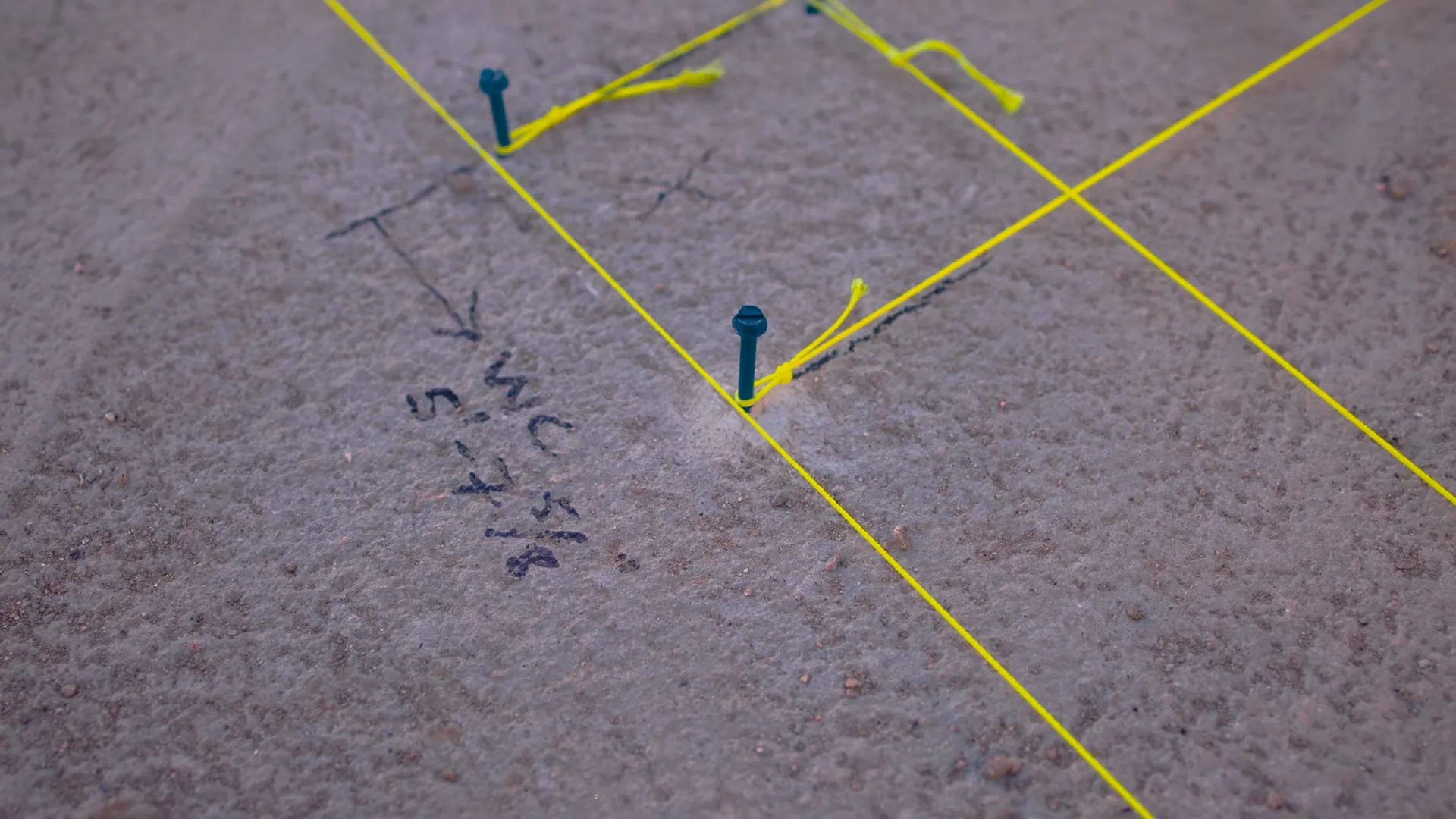
Finding the leak without breaking concrete everywhere is the main skill. The steps follow a sequence. First comes a pressure test to isolate whether the hot or cold line is leaking, and a meter test to confirm that water is escaping. Acoustic equipment then listens at the floor surface for the sound of water under pressure. Electronic correlators and tracer methods narrow the location. Thermal imaging can show a warm path on a floor above a hot water leak. A confirmed spot is marked on the floor, and only then does anyone discuss opening it.
If the plumber proposes cutting the slab without confirming the location by at least two methods, ask why.
Your repair options once the leak is found
Spot repair through the slab
The slab is opened directly over the leak, the failed pipe section is replaced and the concrete is patched. It is the least expensive choice when the leak is isolated, the pipe is otherwise sound and the floor above can be restored.
Reroute the line overhead or through the walls
The leaking line is abandoned in the slab and a new one is run through the attic or walls to the same fixtures. It avoids concrete work and gives you a new supply line, but it opens walls and ceilings and adds drywall repair.
Trenchless methods
Some under-slab lines can be relined or replaced without opening the full floor. The method and its limits are explained on the trenchless pipe lining page.
Replace the whole supply system
If leaks keep appearing, the pipe is a known problem material or the system is old, a full replacement removes the pattern. We will give you a written comparison of the options before anything is cut.
When water has already reached the floor and walls
Wet flooring, baseboards and drywall need to be removed or dried quickly, because trapped moisture grows mold and warps flooring. Take photos, shut off the water at the main if you cannot isolate the leak and call. Water removal and drying are covered on the water damage removal. If the leak is under a slab, you may be able to keep water flowing to the rest of the house by isolating the damaged line.
When a slab leak starts to threaten the foundation
A small leak under a slab is mostly a water bill and a floor problem. A long-running or high-pressure one can wash soil from beneath the concrete or keep it saturated, and the slab can settle or shift. New cracks in the floor or walls, doors and windows that start to stick, gaps opening at trim or baseboards and a floor that feels uneven are the signs worth acting on quickly.
If you see them, shut off the water at the main, call us to confirm and locate the leak, and have the movement looked at by a foundation or structural professional. Fixing the pipe stops the cause, but it does not repair damage the water has already done. The hidden leak help explains how a leak is located before any concrete is cut.
Insurance, documentation and permits
Homeowner policies often treat sudden leaks and long-term seepage differently, and the claims process is easier if you keep the paperwork. Ask the plumber for a written report of what was found, where and why, along with photos. We provide a written description of the leak and the repair, and you decide how to use it with your insurer. Rules on permits depend on your address, and Horry County's code treats replacing concealed pipe as new work that needs a permit, so ask about this before the job. In the City of Conway, call Construction Services at 843-488-9888. Outside the city, call Code Enforcement at 843-915-5090. South Carolina requires a license for residential plumbing work over $500, which you can check at verify.llronline.com.
We take slab leak calls in Conway and nearby places such as plumbing in Tiger Grand, Red Hill area page and plumbing in Socastee. The areas we serve has the rest.
Suspect a leak under the floor? Call and describe it
Tell us what the meter is doing, whether any floor is warm or wet and how the house is built. We will explain how the leak is confirmed and located.