
Water damage removal and drying · Conway, SC
Water Damage Restoration in Conway, SC: Extraction, Drying and What Comes Next
After a burst pipe, a failed water heater or a flood, the hours that follow decide how much has to be torn out. This page explains what to do first, how water removal and drying work and where our part ends. Water damage restoration Conway homeowners need begins with stopping the source and removing standing water.
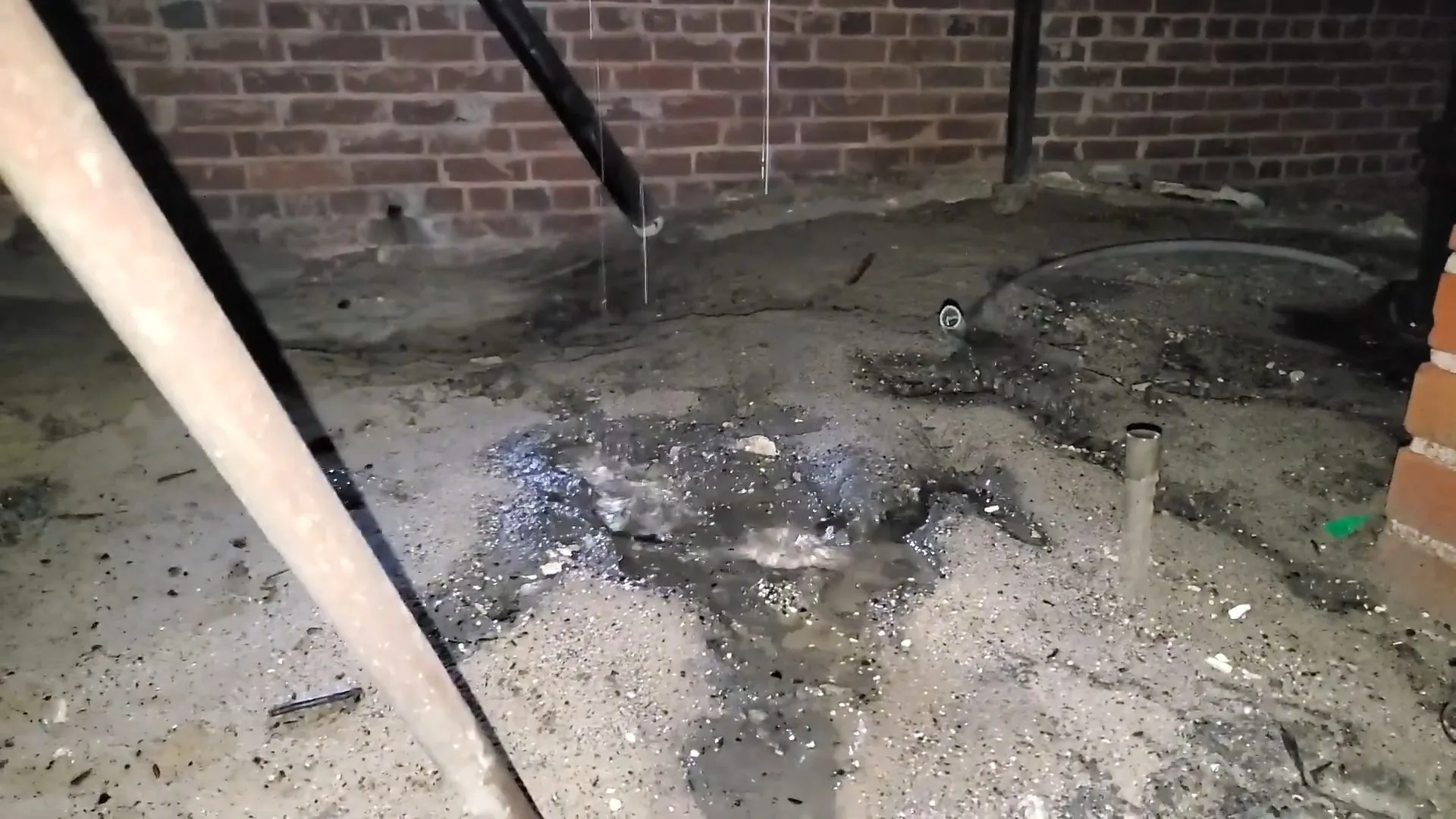
The first hour: stop the source and keep clear of the water
- Stop the source. Shut off the main water valve for a plumbing leak. For a flood, do not enter standing water if electricity is on, and if the power is on in a wet area, shut off the breaker only if you can reach it dry.
- Keep people out of contaminated water. Water from a sewer backup or from outdoor flooding may carry bacteria. Do not touch it or let children and pets near it.
- Photograph everything before you move anything. Pictures of the water, the damage and the source help with insurance.
- Lift what you can. Move small furniture and valuables off wet floors, and remove rugs and loose items.
- Call (888) 681-3447 for the water removal and drying work, and the main plumbing line, (833) 571-0120, for the repair itself.
Plumbing, water removal and drying: where our work ends
We stop the water and repair the plumbing, then handle water removal and drying: pumping and extracting standing water and drying the structure with air movement and dehumidification. We do not rebuild. Replacing drywall, flooring, cabinets or insulation, painting and finish work are for a general contractor. We also do not perform mold testing or mold remediation. Those are separate specialties that you may need if the building stays wet too long, and a good drying job is how you avoid needing them.
A plumbing repair for the source of the water is covered on the burst pipe steps or the hot water repairs, depending on the cause.
How water is removed and a building is dried
Extraction comes first. Pumps and wet vacuums remove standing water, because water on the floor is easier to remove than water inside materials. Moisture meters and thermal cameras then map where water has traveled, which is often beyond the visible stain. Air movers push dry air across wet surfaces while dehumidifiers pull moisture out of the air, so the water leaves the building, not just the surface. Wall cavities and subfloors may need small openings to let air in. Readings are taken daily until the materials return to normal moisture levels, and equipment is removed only when they do.
Drying in coastal South Carolina is a race against humidity. Warm, wet air and wet materials favor mold, which is why speed matters here more than in dry climates.
Standing water or wet walls? Call (888) 681-3447 and tell us where the water came from.
Drying or removing carpet, hardwood, ceilings and walls
Carpet and padding
Clean water that is caught within a day can sometimes be dried in place, but padding is often removed because it holds water. Water from a sewer or a flood is a contamination issue, and carpet and pad are removed, not dried.
Hardwood and other wood flooring
Wood absorbs water slowly and releases it slowly. Boards can cup or buckle as they dry, and subfloor may stay wet beneath finished boards. Drying mats and careful monitoring give wood floors the best chance, but a prolonged soak may mean replacement.
Ceilings and walls
A wet ceiling can hold water in insulation and sag, and may need to be opened to drain and dry. Drywall that has been soaked, especially from contaminated water, is usually cut out a short distance above the water line. Wall cavities with insulation are dried or the insulation is removed.
Flood and storm water in Conway
The Waccamaw River at Conway reached more than 21 feet in September 2018 against a minor flood stage of 11 feet, and it stayed above flood stage for about four weeks. Local reporting found that most properties damaged in 2018 were in the low-risk Zone X, outside mapped flood hazard areas, so a house that was not expected to flood can still take on water. Heavy rain on saturated ground can also send water through foundations, floor drains and low doors without a river flood at all.
In a special flood hazard area, the City of Conway applies a substantial-damage rule at 50 percent of a structure's value, and renovation there is handled case by case through Construction Services at 843-488-9888. Call before you begin repairs, because heavy damage may change what can be rebuilt and how. The city has also received FEMA grant funding to mitigate flood-prone homes in these areas.
Sewage backups and contaminated water
Water from a sewer backup is treated differently from water from a clean supply line. It cannot be dried in place, and porous materials it touched are removed. Wear protective gear if you must enter, and keep children and pets away. On City of Conway sewer, report a backup to 843-248-1770. In unincorporated areas, the Grand Strand Water and Sewer Authority asks customers to call it first at 843-234-8460. The sewer line problems explains how to tell whether the blockage is yours or the utility's.
Shops, offices and multi-unit buildings: planning around use
Shops, offices and multi-unit buildings add a time cost to every day of drying, so the work is planned around how the space is used. Describe the building, the number of rooms affected and the source of the water when you call, and we will explain what we can do and how the drying will be staged.
Documenting for insurance and where we serve
Keep photos, a list of damaged items, receipts and a record of the date the water began. Ask for written drying logs, which show the readings that prove the building reached a normal moisture level. We provide the drying records for our work and you decide how to use them with your insurer.
We take water damage calls in Conway and nearby places such as Tiger Grand plumbers, Socastee plumbers and plumber in Red Hill. See the ZIP code list. If you are not sure where the water is coming from, the hidden leak detection explains the meter test. For typical ranges, see the cost page.
Water in the house? Call for removal and drying
Tell us where the water is, how long it has been there and where it came from. We will say what we can do now.