
Drain cleaning · Conway, SC
Drain Cleaning in Conway, SC: Slow Sinks, Backed-Up Tubs and Repeat Clogs
A drain that is merely slow can be cleared in a visit. A drain that keeps stopping usually has a cause further down the line. This page explains how to tell which one you have and what we do about each. Conway drain cleaning starts with finding out whether the clog is in one fixture or in the main line.
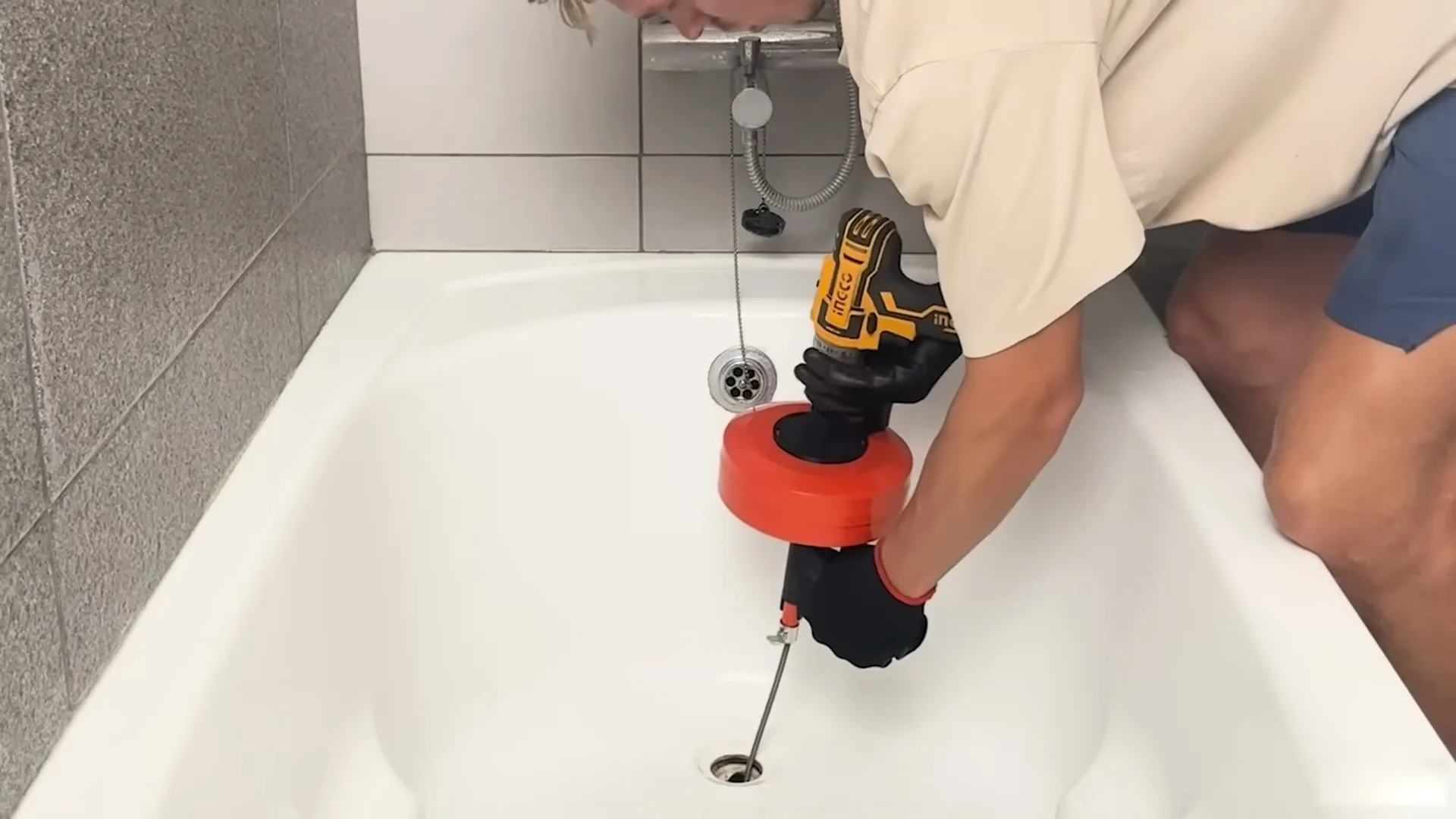
Which drain is the problem?
Where the water backs up tells you most of what you need to know. One slow fixture points to a clog in that fixture's own branch. Several fixtures slowing down together, or a toilet that gurgles when the shower drains, points to the main drain that every branch feeds into.
One sink or tub
Hair, soap, grease and food scraps build up in the trap and the first few feet of pipe. These clear with a hand tool or a small drain machine, and the fixture should drain freely again the same visit.
Every drain in the house
A backup at the lowest fixture, often a shower, a tub or a floor drain, means the blockage is beyond the branches. That is where a camera look pays for itself, and where the sewer line repair page picks up if the line itself has failed.
A gurgling toilet or bubbling drain
Air pulled through a trap as water leaves is a sign the line is partly blocked or poorly vented. Do not ignore it. It is the early stage of a full stoppage.
Clearing clogs inside the house
Kitchen lines carry grease that coats pipe walls and catches food. Bathroom lines carry hair and soap film. Laundry lines carry lint. Each has a different cause, so the method changes: a cable with the right cutting head for hair and grease, a smaller tool for a tight trap, and a check afterward that the drain runs freely under a full flow of water, not just a trickle.
We avoid pouring harsh chemical drain openers into a stopped line before a visit. They sit in standing water, can damage some pipe and fittings, and make the work unsafe for whoever opens the trap. If you have used one, tell the plumber.
A camera look when the same drain keeps stopping
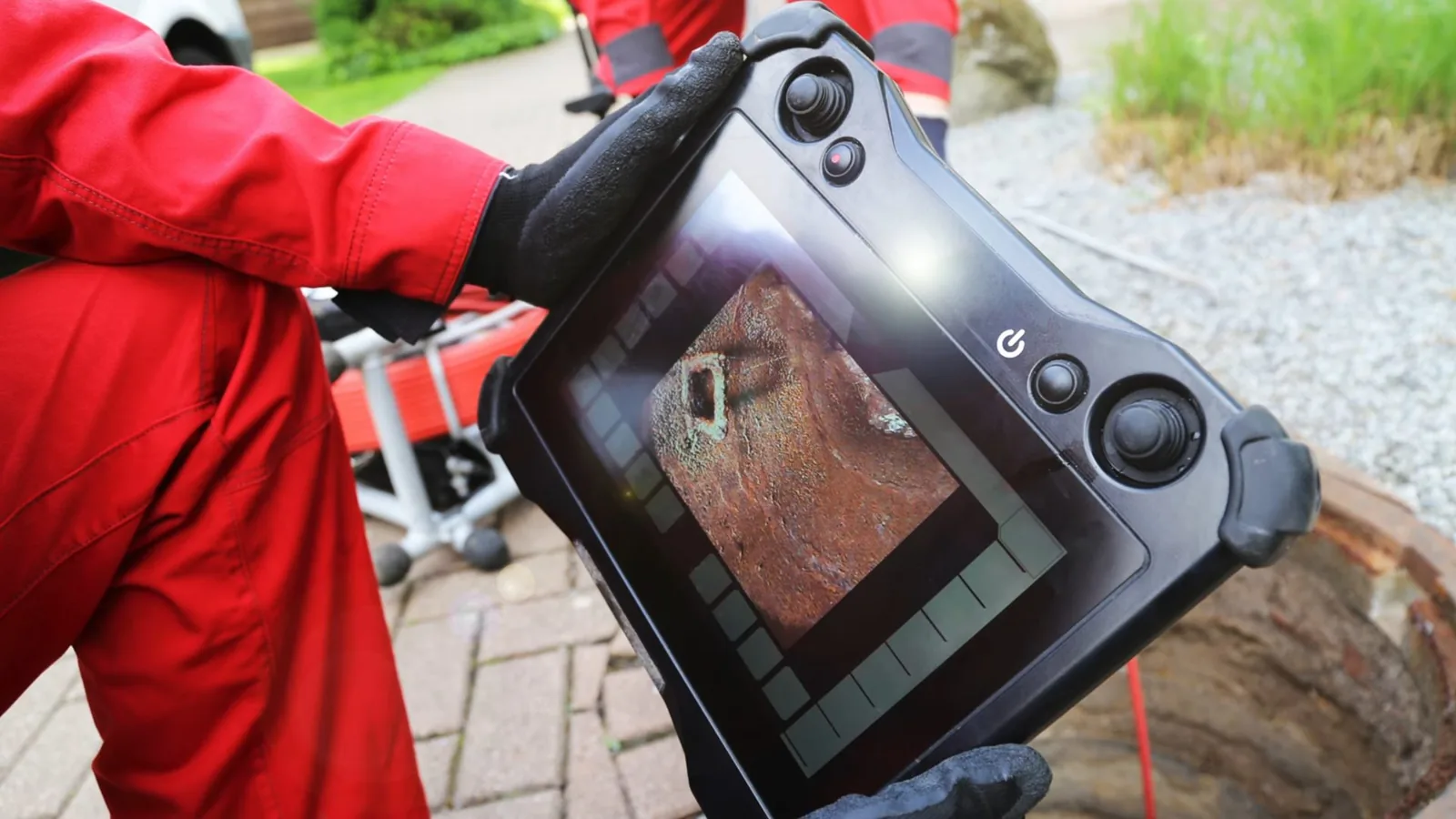
A clog that returns within weeks is rarely bad luck. A camera on a flexible cable shows what the pipe actually looks like: scale, a bellied low spot that holds water, a joint pushed out of line, roots that found a gap or a collapsed section. That picture decides whether routine clearing is enough or whether the line needs repair.
You see the footage or a clear description of it, not just the conclusion. Where the problem is on the house side, we explain the options. Where the camera shows a failure under a road or beyond the property line, the right call goes to the utility.
Drain still slow after you tried the usual fixes? Call (833) 571-0120 and tell us which fixtures are affected.
Floor drains, storm drains and French drains
Conway averages about 55 inches of rain a year, and shallow winter and spring water tables are common in the soils around the city. That keeps yard drains, French drains and downspout lines working hard. When they clog with silt, leaves and root hairs, water sits against foundations or backs toward the house instead of leaving.
Clearing these lines is part of drain work. If heavy rain pushes water up through an interior floor drain, stop and treat it as a sewer matter. Do not mop it up barehanded, keep children and pets away and read the sewer backup guidance before anything else.
Restaurants, shops and grease lines
Business drains clog on a different schedule because grease and food waste run through them all day. Kitchens that rely on a grease trap need it cleaned on a routine, and a slow line behind a prep sink often means the trap or the first stretch of pipe has filled. If you manage a food service space in Conway, describe the equipment and how often the drain has stopped when you call, and we will tell you what a visit involves.
Who owns the line: the city, the authority or you
The line from your fixtures to the cleanout is your responsibility. The City of Conway's FAQ states that customers are responsible for installing cleanouts on existing sewer services, and that the city will not rod a line that runs under a house. Past the property line, inside city limits, the sewer belongs to the city, and its sewer backup line is 843-248-1770. In unincorporated areas the Grand Strand Water and Sewer Authority runs the sewer and asks customers to call it first at 843-234-8460.
A cleanout is a capped opening on the line, usually in the yard or near the foundation. Knowing where yours is shortens any drain visit and is the first thing to find if the whole house backs up.
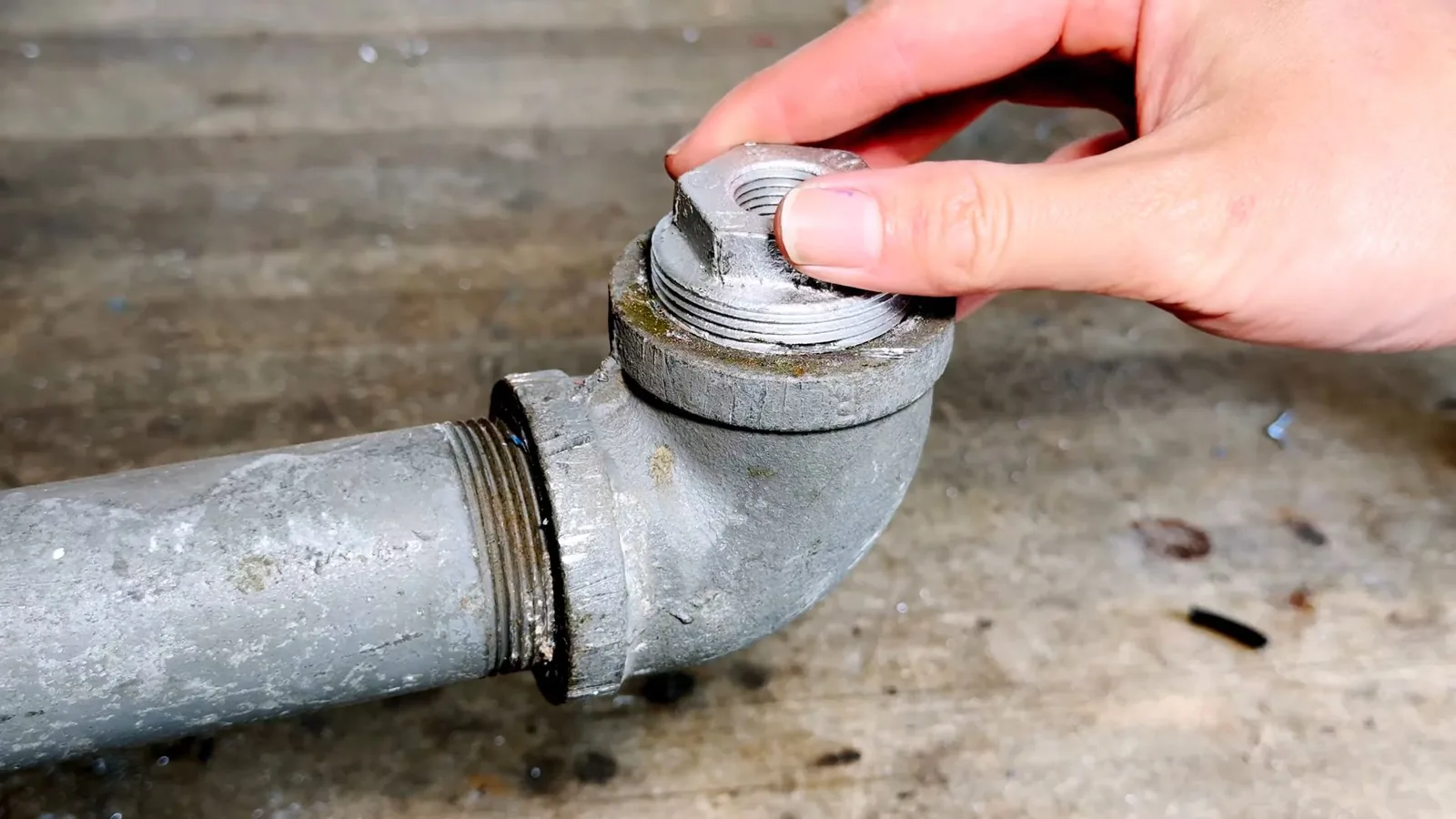
When cleaning is not enough: hydro jetting scours the pipe wall
Standard clearing opens a path through the clog. It does not scour a heavily coated pipe. When the camera shows thick grease, scale or root growth lining the line, a higher-pressure method called hydro jetting cleans the pipe wall itself. If the camera shows a broken or collapsed line, clearing cannot fix it, and the work moves to repair or trenchless sewer repair.
No fixed schedule suits every house. A home with mature trees, an older line or a history of repeat clogs benefits from a camera look, while a newer home with a single stubborn kitchen drain may need nothing beyond clearing it and changing the habit that caused it.
While you wait: stop adding water and skip chemical openers
Stop sending water into the blocked line. Every flush or drain adds to the backup, so use another bathroom if the house has one. Skip the chemical drain openers: they rarely clear a solid blockage, they can sit in the pipe and splash on whoever opens it next, and some are hard on older pipe.
Find the cleanout and clear a path to it, note which fixtures are slow and which are fine, and move pets out of the way. That tells us whether the clog is at one fixture or on the main line, which decides the approach before we arrive. If water is coming up through a floor drain, treat it as a sewer problem and read the sewer line repair page.
Where we clear drains around Conway
We take drain calls in the city and in the nearby neighborhoods and towns, including Hillsborough plumbing, plumbing in Homewood and plumbing in Aynor. See the full list of areas we serve, or read the plumbing FAQs for quick answers.
Drain backing up? Call and describe it
Tell us which fixtures are slow, whether more than one is affected and what you have tried. We will say what is likely and what a visit involves.