
Water heater installation · Conway, SC
Water Heater Installation in Conway, SC: Sizing, Placement and Code Checks
Replacing a water heater is a chance to fix the setup, not just swap the tank. Size, fuel, location and safety devices all matter, and in Conway the location question includes flooding. This page explains how a replacement is planned. Residential water heater replacement Conway SC jobs start with sizing, fuel and location, and flood risk shapes the last of those.
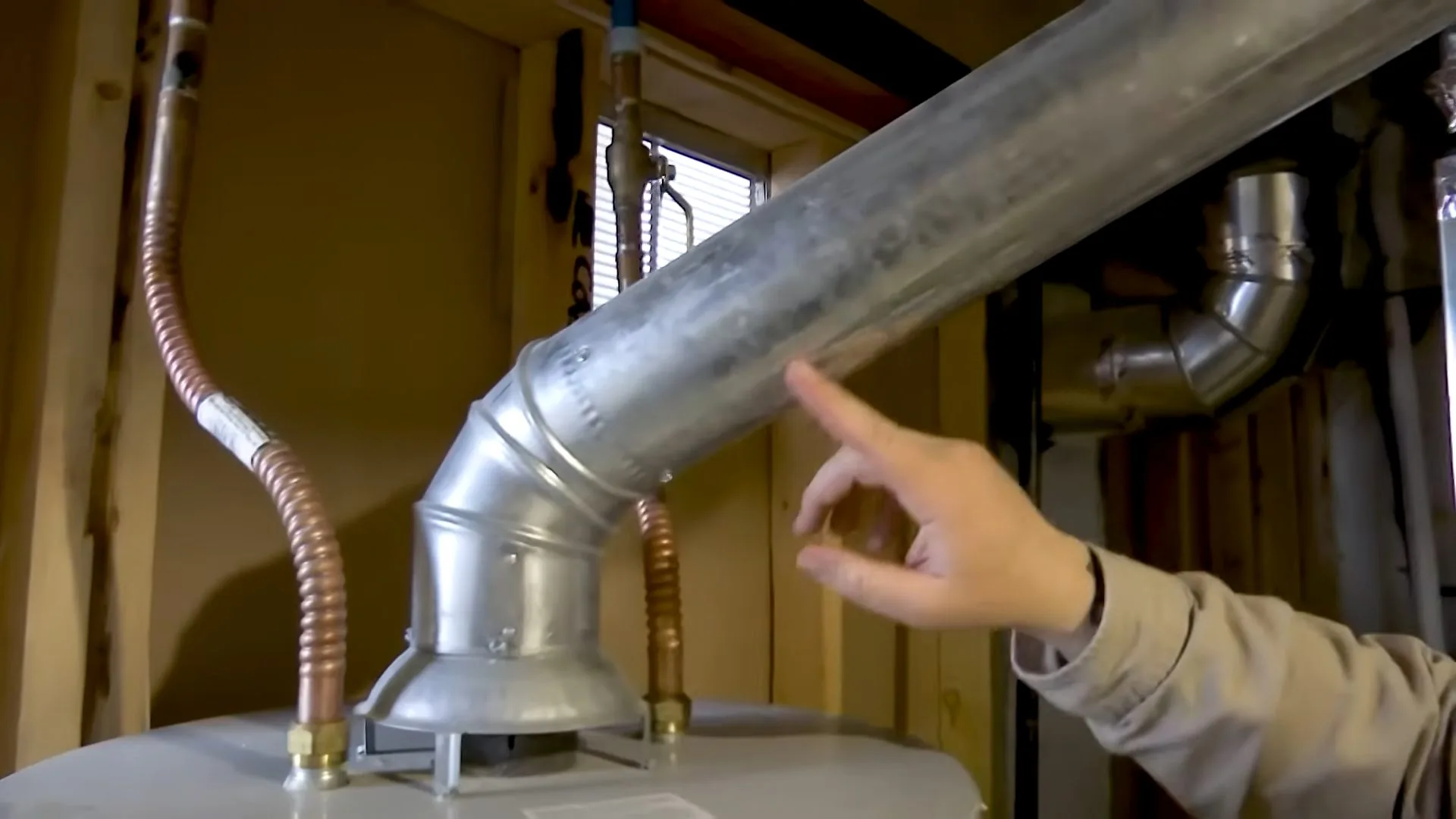
Choosing the type: gas, electric or hybrid
The fuel you already have usually decides the answer, but it is worth checking before you commit.
Gas tank water heaters
Natural gas availability depends on the address, and Dominion Energy South Carolina is the natural gas utility for the area. A gas unit needs a gas line, a shut-off, a drip leg and a vent that carries combustion gases outside. It heats back up faster than a standard electric tank, which suits large households.
Electric tank water heaters
Electric units need a dedicated circuit of the right size and a place that does not need venting, which makes them simpler to place in a closet or a garage. They recover more slowly, so sizing matters.
Hybrid heat pump water heaters
A hybrid unit uses a heat pump on top of a tank to move heat instead of generating it, which lowers electricity use. It needs open air around it, a drain for condensate and space above for the heat pump. It also cools and dehumidifies the room it sits in, which is useful in a Conway garage and less welcome in a small closet.
If you want continuous hot water without a tank, see the on-demand water heaters.
Sizing the tank for your household
A tank that is too small runs out. One that is too big wastes energy keeping water hot. The usual measure is the first-hour rating, which is the amount of hot water a unit can deliver in the first hour of heavy use, and it depends on both tank size and how fast it heats. Count the number of people, the number of bathrooms and whether there is a large soaking tub or a dishwasher or washer that runs hot at the same time. We match the unit to how the household really uses hot water rather than to a bedroom count alone.
Where the heater goes in a flood-prone area
Conway sits on the Waccamaw River, which rose above 21 feet at the Conway gauge in September 2018 against a minor flood stage of 11 feet. The City of Conway's floodplain guidance states that in a special flood hazard area, water heaters and furnaces should be placed at least two feet above the projected flood elevation, and that renovation in such an area is handled case by case through Construction Services at 843-488-9888. Local reporting also found that most homes damaged in 2018 were in the low-risk Zone X, so the flood map is not the only thing to consider.
Ask the building office whether your lot is in a mapped hazard area before choosing where to set a replacement. If it is, raising the unit on a platform or moving it to a higher level can matter more than the unit itself. A drain pan with a line piped to a safe discharge point protects floors from a slow leak, which matters in a garage or a utility closet where leaks go unnoticed.
Replacing a tank that has failed? Call (833) 571-0120 with the fuel type, the location and the age of the unit.
Safety devices and code items that come with the unit
A correct install includes a temperature and pressure relief valve with a discharge pipe routed to a safe, visible location; a proper shut-off valve and flexible connectors; a drain pan where a leak could damage the building; and, where the system requires it, a thermal expansion tank to absorb the pressure that heating water creates in a closed system. Gas units need a correct vent slope, a sediment trap and a leak test of every connection. Hybrid units need a condensate drain.
South Carolina's 2021 plumbing, residential and fuel gas codes have been enforceable since January 1, 2023, and the 2024 editions take effect for local jurisdictions on January 1, 2027. We found no local water heater amendments, but locally unapproved changes cannot be enforced. The City of Conway and Horry County did not name water heaters in the guidance we reviewed, so confirm whether a permit applies with Construction Services at 843-488-9888 in the city or Code Enforcement at 843-915-5090 in unincorporated Horry County before the work starts.
What replacement day looks like
The plumber shuts off the water and the fuel or power, drains and disconnects the old unit and hauls it away. The new tank is set on its pan, connected to water, gas or power and vent, then filled and checked for leaks before it is lit or energized. The relief valve, expansion tank pressure and thermostat setting are checked, and you are shown the shut-offs and the temperature dial. Most standard replacements finish in a single visit. Moving a unit to a new location, adding a vent or running a new gas or electrical line adds time.
We will give you a written scope and price before the work starts, and we explain what the permit includes.
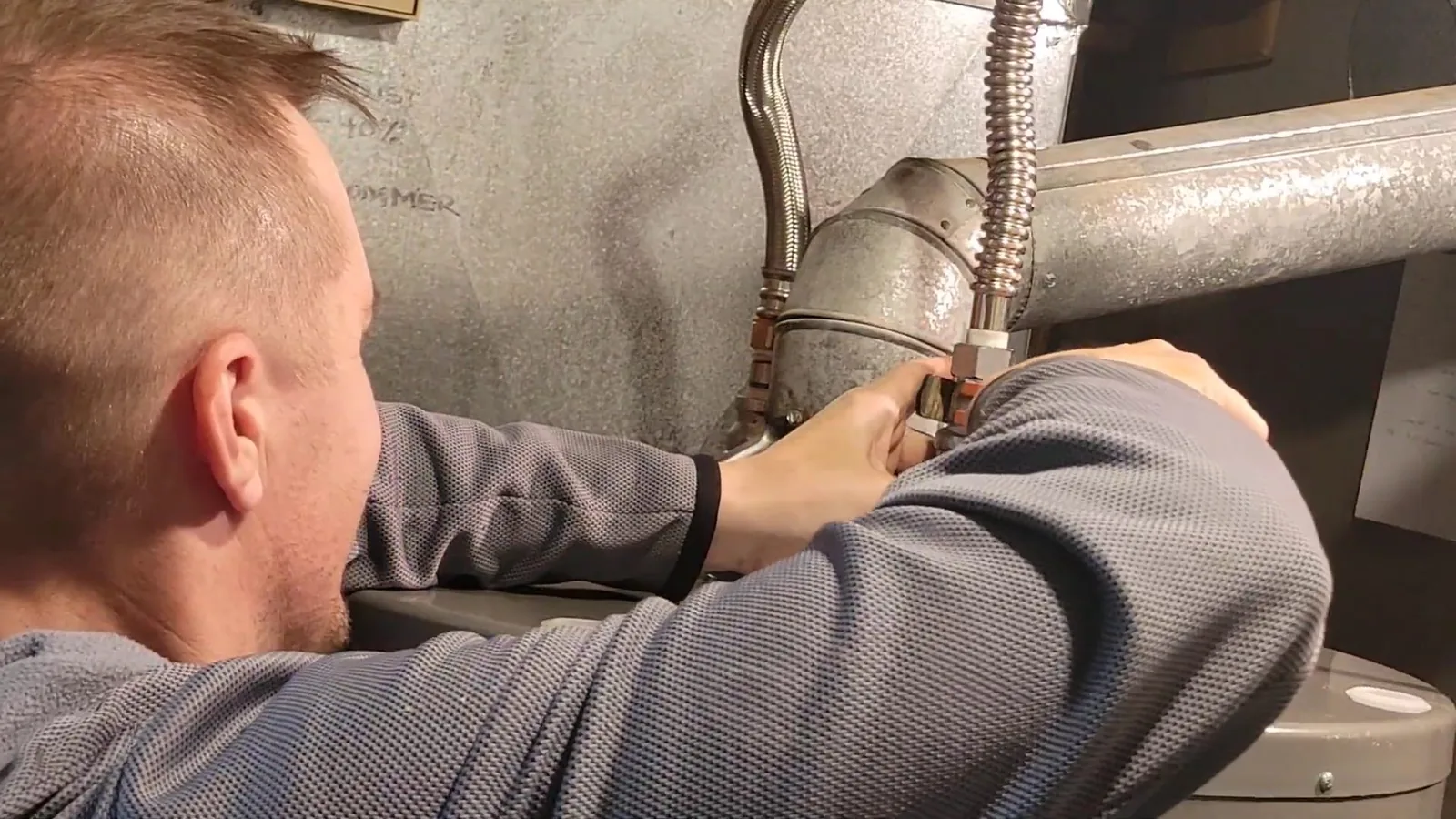
Repair now or replace now
If the unit is leaking from the tank or rusting through, replace it. If the unit is under about eight years old and failing for a single worn part, a repair is likelier to make sense. The tank repair guide walks through the symptoms. If water has already damaged the floor or wall, the water damage guide covers the next step, and the pricing guide gives a feel for typical ranges.
Before the old tank is hauled away
Photograph the data plate on the old unit and note whether it runs on gas or electricity, its size in gallons and the pipe sizes at the top. Those details help match a replacement and prevent surprises with venting or wiring. Ask who removes and disposes of the old tank, and whether the quote includes it.
Where we install water heaters
Installs cover Conway and areas nearby such as Tiger Grand area page, Socastee area page and plumbing in Myrtle Beach. Check a plumber's credentials before they start: South Carolina requires a license for residential plumbing work over $500, and you can look up any plumber at verify.llronline.com. The full list of places is on the coverage map.
Planning a water heater replacement? Call us
Tell us the fuel you have now, the tank location and the size of the household. We will explain the options and what the permit involves.