
Gas line repair · Conway, SC
Gas Line Repair in Conway, SC: A Gas Smell, Line Testing and Safe Hookups
Gas is the one plumbing problem where the first move is to get out. This page starts with what to do if you smell gas, then covers how gas lines are tested, repaired and connected, and where the licensing rules differ.
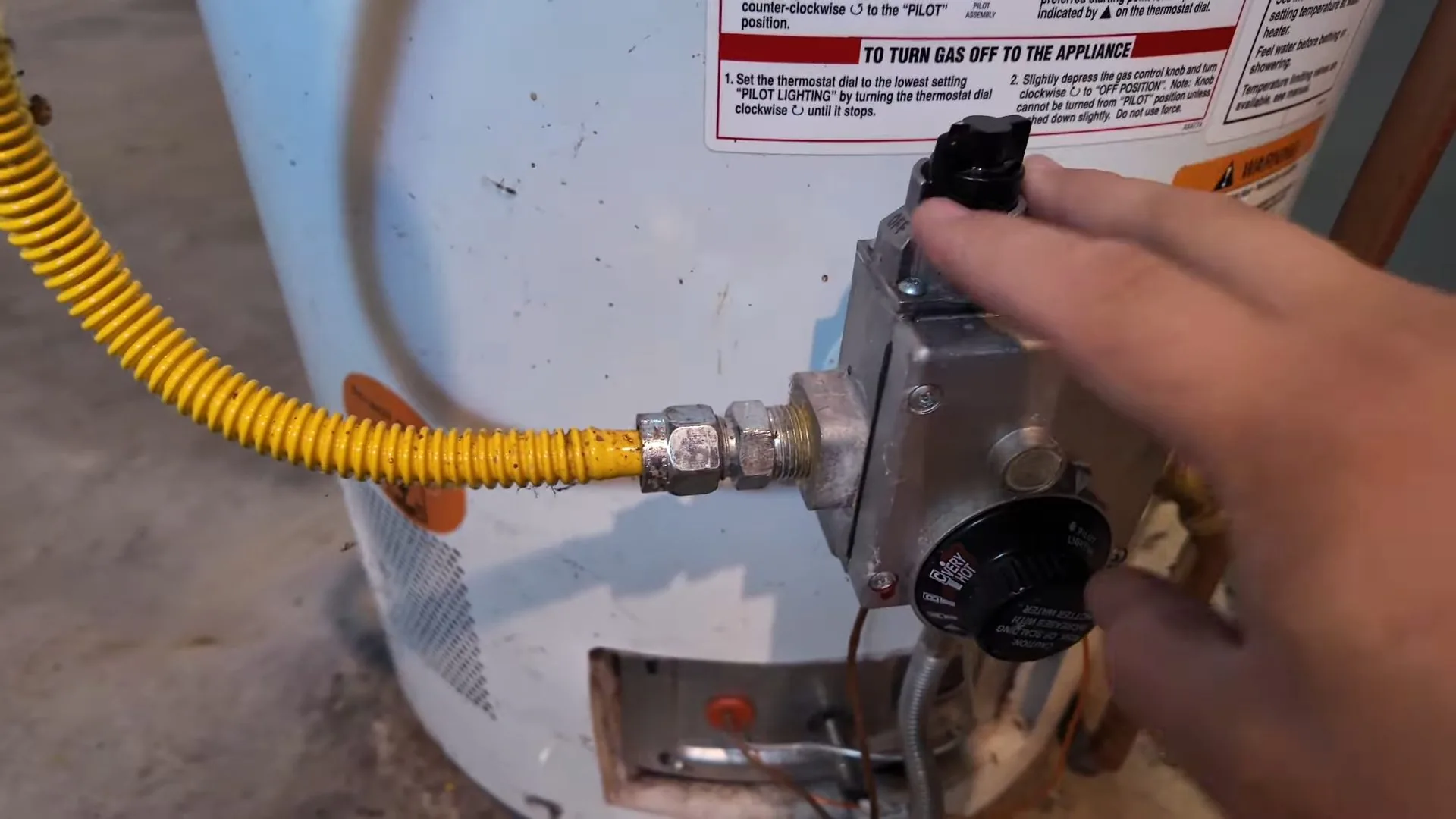
If you smell gas, do this first
- Leave the building now. Take everyone, including pets, and do not stop to gather things.
- Do not use anything electrical. Do not flip a switch, use a phone inside, start a car in an attached garage or light a match.
- Call from outside. Dial 911 and call Dominion Energy South Carolina's gas leak line at 800-815-0083.
- Stay out until the utility or fire department says it is safe.
Do not call a plumber first and do not try to find the leak yourself. Once the utility has made the building safe and found the source, a repair call to us can follow. We cannot repair a gas leak that has not been shut off and cleared.
Who supplies the gas and who handles which side
Dominion Energy South Carolina is the natural gas utility for the Conway area, and whether natural gas is available at a given address is address-specific. In general the utility maintains the main and the service line up to the meter. Everything after the meter, the piping inside and around the house and the appliance connections, belongs to the property owner. Homes without natural gas service may use propane, which has its own rules and its own licensing.
How gas lines are leak tested
A gas line is tested with air or an inert gas under pressure, and the gauge is watched for a drop over time. A drop means a leak. Combustible gas detectors and a leak-detection solution brushed on joints locate the leak by showing where bubbles form. The method is chosen to suit the situation, and no one should look for a leak with a flame. After a repair the line is tested again, and tested before it goes back into service.
If you only suspect a small leak, for example a faint smell near an appliance, the safest approach is still to treat it as real and call the utility. The utility can say whether the problem is on its side of the meter or yours.
Smell gas right now? Leave the building and call 911 and 800-815-0083. For planned work, call (833) 571-0120.
Signs of trouble in an existing gas system
Natural gas is odorless until an odorant is added, so the rotten-egg smell is your warning. Other signs are a hissing sound near a pipe or appliance, a pilot light that keeps going out, burner flames that burn yellow or orange rather than blue, soot or scorch marks around an appliance, a dead patch of grass or bubbling in wet ground above a buried line and symptoms such as headaches or nausea that ease when you leave the house. Any of these deserves a call to the utility, not a wait-and-see. A carbon monoxide alarm near gas appliances adds a second warning, and one that sounds means leaving the building and calling 911.
Gas line repairs and replacements
Gas piping fails at joints, at corroded sections and at fittings that have been disturbed by settling, renovation or digging. A repair replaces the failed section and reconnects it with the right fittings. A line that is corroded along much of its length is replaced rather than patched. Buried lines run from the meter to the house, and any dig requires a call to 811 first, which takes three to twelve full working days. Public utility lines are marked and private lines are not. Corrosion, soil movement and past damage from digging are the usual causes.
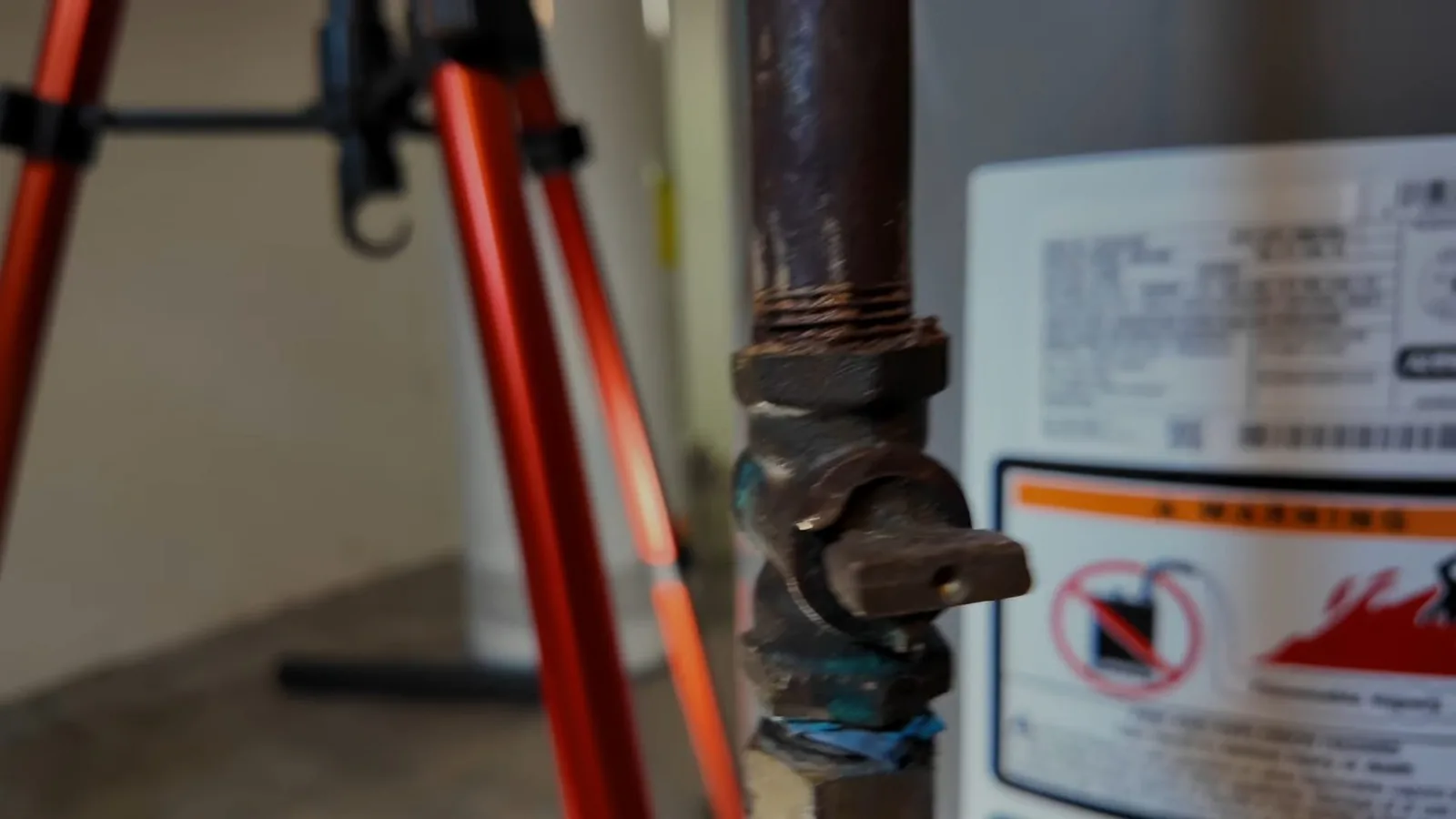
Appliance hookups and new gas lines
Ranges, cooktops, dryers, water heaters, fireplaces and outdoor grills each need a correctly sized line, a shut-off valve within reach and an approved connector. A new line to a new appliance needs a load calculation, because the existing line may not carry enough gas for another appliance. We size the line to the total demand, then install, test and check the connection. A water heater swap that includes a gas connection is covered on the water heater installation page, and a tankless unit often needs a larger line, as explained on the tankless water heater page.
Licensing, permits and who can do the work
Gas work is regulated, and the rules differ by fuel. In South Carolina, residential plumbing is licensed by the Residential Builders Commission, mechanical work is licensed separately and propane (LP) work requires a licensee of the state's LP Gas Board. We did not find a single rule that says exactly which classification covers every natural gas task, so check the contractor's license for the specific work and ask which license covers it. Public lookups are at verify.llronline.com.
The City of Conway's 2026 to 2027 permit fee schedule lists a gas permit type, and Horry County's code requires a permit to install, alter, repair or replace gas systems, with exemptions for stopping leaks and clearing stoppages. Confirm what applies to your job with Construction Services at 843-488-9888 in the city or Code Enforcement at 843-915-5090 outside it.
Preparing the house for gas work
Before a gas line is opened, make a list of every gas appliance in the house: the range, the dryer, the water heater, any fireplace or grill hookup. Each should have its own shut-off valve within reach, and that valve is the one to close for a single appliance. The shut-off at the meter stops the whole house, and it belongs to the utility's side of the system, so ask Dominion Energy South Carolina at 800-815-0083 who should reopen it before you close it.
When the work is done, every appliance has to be relit and checked, and pilot lights and igniters are part of that. Ask in advance who will do it and whether the line will be pressure tested. Keep the area around the work clear, and keep children and pets away. If you smell gas at any point, leave the building and call 911, as the steps at the top of this page describe.
Where we take gas line calls
We handle planned gas work in Conway and in places such as Wild Wing Plantation plumbing, Socastee and Aynor area page. See the areas we serve page. If a leak is suspected inside walls and you cannot smell gas, see leak detection for water lines.
Planning gas work? Call and describe the job
Tell us the appliance, the fuel and whether natural gas service is already at the house. If you smell gas, leave first and call 800-815-0083 and 911.