
Conway, SC · Horry County
Conway Plumbing Questions Answered: Leaks, Drains, Water Heaters and Who to Call
Direct answers to the questions Conway homeowners ask most, with the local phone numbers and rules that apply here.
Urgent plumbing problems: what to do right away
What should I do first when a pipe bursts or a plumbing problem turns urgent?
Shut off the water at the main valve, which is usually near the meter or where the line enters the house. Turn off the water heater if the leak is on the hot side, move valuables out of the wet area and switch off power to any room with standing water if you can reach the breaker safely. Then call (833) 571-0120 and tell us what you see and what you have already shut off. The burst pipe repair page has the full steps.
Who do I call for a plumbing problem in the middle of the night?
Call (833) 571-0120, say that the problem is urgent and give your address and what is happening. We do not publish hours on this site, so we cannot promise a time before we know what the problem is and where you are. While you wait, close the main valve for any active leak. For a gas smell, a fire or water near live electrical equipment, leave the area and call 911 first.
What do I do if I smell gas?
Leave the building right away, leaving doors as they are and not touching light switches or appliances. From outside, call Dominion Energy South Carolina at 800-815-0083 and then 911. Do not return until the utility or the fire department says it is safe. Repairs to gas piping come after that, and the gas line repair page explains how they work.
Who to call in Conway: water, sewer and the meter
Who do I call about water or sewer service in Conway?
Inside the city, call the City of Conway at 843-248-1780 for water, and 843-248-1770 for a sewer backup. Outside the city, many Horry County homes are served by the Grand Strand Water and Sewer Authority, at 843-234-8460 and 843-443-8200 after hours. Which one serves you depends on your address, and your bill shows it. Call them first for a problem in the street or at the meter, and call us for a problem inside your property.
Is a water main problem my responsibility or the city's?
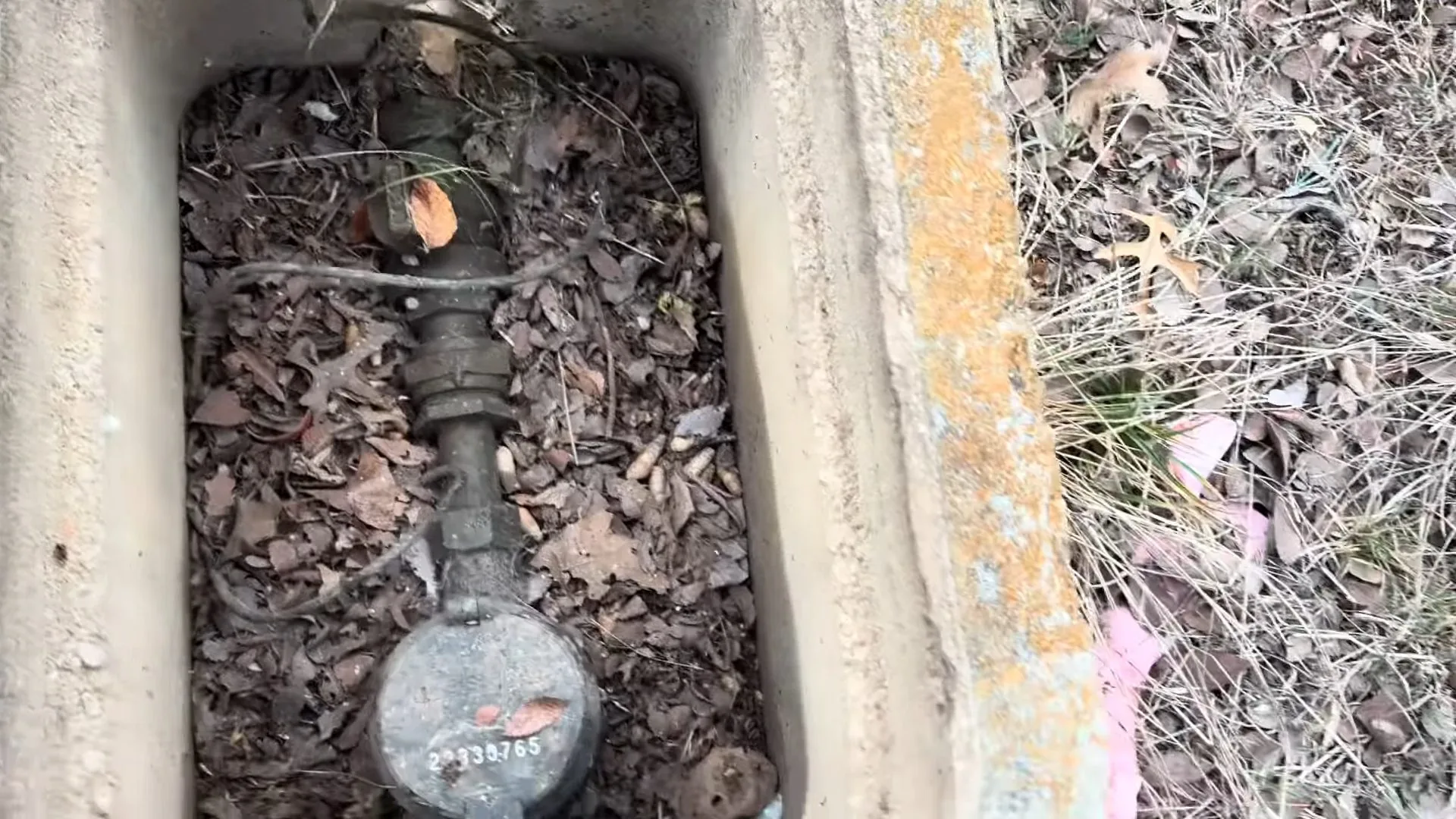
For city water customers, the city says its responsibility ends at the meter box. A leak between the main and the meter is the utility's to fix, and a leak on the house side of the meter is the owner's. If you cannot tell where a leak is, a meter check often settles it: the leak detection page explains the steps.
Does the city clear a sewer line under my house?
No. The city does not rod a sewer line that runs under a house, so a stoppage on your side of the property line is the owner's to clear. Read the sewer line repair page for how the split works, and the drain cleaning page for what clearing involves.
Do I need to call 811 before a sewer or water line dig?
Yes. South Carolina law calls for notice to 811 before digging, and the notice period is three to twelve full working days. The service marks public utility lines only. Private lines on your property, such as a lateral to your house, are not marked, so a plumber has to locate those. The trenchless sewer repair page explains how that affects the choice of repair method.
Water bills, leaks and pressure
Why did my water bill suddenly go up, and is it a leak?
A higher bill can come from a leak, from more use or from a rate change, and the city has said there is no single cause. A meter test tells you which. Turn off every tap and appliance, read the meter, wait an hour without using water and read it again. If the number moved, water is going somewhere. Call the city at 843-248-1780 about the bill, and see leak detection if the meter moved.
How can I tell if I have a hidden leak?
Look for a bill that rises without a change in use, a meter that moves when everything is off, damp or warm spots on a floor, a musty smell, stained ceilings or the sound of running water in a quiet house. None of these proves a leak, but together they point to one. We find the leak by listening and pressure testing before opening anything, as described on the hidden leak help.
What are the signs of a hidden slab leak?
Warm spots on the floor, a hot water bill that climbs, the sound of water under the floor, cracks that are new and a meter that spins with fixtures off. Not every house here has a slab, and we do not have a figure for how many do. The slab leak repair page covers the signs and the repair options.
Why does my toilet run on its own without being flushed?
A toilet that refills every so often is usually letting water slip from the tank into the bowl, most often past a worn flapper or because the fill valve or float is set wrong. To test the flapper, put a few drops of food coloring in the tank and wait about fifteen minutes without flushing. If color shows up in the bowl, the flapper is leaking. A toilet that keeps running can raise your water bill, and the toilet repair page covers the parts involved.
What causes low water pressure at home?
The usual causes are a partly closed shut-off valve, a clogged faucet aerator or showerhead, a failing pressure regulator, a leak and work on the utility's main. If only one fixture is weak, the problem is at that fixture. If the whole house is weak, check the main valve and the meter and call the utility to ask about work in your area. If both are fine, a plumber can test the pressure. See faucet and sink repair for fixtures.
Water heaters
How long do water heaters last?
A tank water heater commonly lasts eight to twelve years, and how long yours lasts depends on water quality, how it is maintained and how hard it works. The data plate on the side shows the manufacture date in the serial number. Past ten years, a leak or a rusty tank is a signal to plan a replacement.
When should I replace a water heater instead of repairing it?
Repair makes sense for a worn part such as an element, thermostat or igniter on a unit in decent shape. Replace it when the tank itself leaks, because a tank cannot be patched, or when the unit is old and repairs keep recurring. The water heater repair page lays out the signs, and the water heater installation page covers what a replacement involves.
Can a heavy storm damage a water heater?
Yes, mainly through flooding. A unit on a garage floor or in a low closet can be reached by floodwater, and one that has been under water needs inspection before it is used again. A power surge can also damage controls. If your heater was in water, leave it off and call us.
Drains, sewers and roots
How does heavy rain affect sewers and drains in Conway?
Conway averages about 55 inches of rain a year, and soil data show shallow water tables in winter and spring. Saturated ground can push groundwater into cracked lines and overload sewers, so backups are likelier after long rain. A backwater valve is one option some owners discuss with a plumber and the building office, but we did not find local guidance on it, so ask before you decide. The sewer line fixes goes into detail.
What should I do first when sewage backs up?
Stop using water in the house: no showers, laundry or dishwasher. Keep people and pets out of the affected area, and do not mix cleaners. Find your cleanout if you can, then call us. If the backup follows a flood, treat the water as contaminated.
Do tree roots cause drain clogs?
They can. Roots enter sewer lines at joints and cracks in search of water, then grow into a mass that catches paper and grease. Clearing the roots helps for a while, but if the line is cracked they return. See the drain cleaning and hydro jetting page pages.
How often should drains be professionally cleaned?
There is no fixed schedule that fits every home. Clean a drain when it slows, and sooner if the line has a history of grease or roots. A line that clogs again within months needs a camera inspection, not another cleaning.
Does hydro jetting damage older pipes?
It can if the pipe is already weak. Jetting suits sound pipe that is coated with grease, scale or roots. A cracked, collapsed or badly corroded line can be damaged by the pressure, which is why we look inside with a camera first. The sewer line jetting explains when it fits.
Is floodwater in Conway contaminated with sewage?
It can be. Floodwater often mixes with overflowing sewers and drains, so treat it as contaminated: do not wade through it, keep children and pets away and wear gloves and boots for anything that has to be handled. Our water damage page covers removal and drying.
Cost, licensing and permits
When is trenchless pipe lining a better choice than digging up a sewer line?
Lining is usually considered when an old sewer pipe has cracks, root intrusion or corrosion but is still in one piece and clear enough to pass a liner through. It is not a fit where the pipe has collapsed, has been crushed or has a sag that holds water, and in those cases the damaged section has to be dug up. A camera inspection shows which situation you have. The trenchless repair explains how lining works, and the sewer line problems covers repairs that need digging.
How much does a plumber cost in the Conway area, and do emergency calls cost more?
It depends on the job, the parts and the access, and we do not publish exact prices. The cost guide shows wide ranges for common jobs. Ask on the call whether anything about the timing of the visit changes the price, and ask for the price before work begins.
Does South Carolina require a plumbing license or a permit?
State rules require a license for residential plumbing work over $500 and a surety bond for work over $5,000, and verify.llronline.com lets you check a plumber before you hire. Permits depend on the job and the address. Horry County treats replacing concealed pipe as new work, while stopping leaks and clearing stoppages are exempt. The City of Conway Construction Services office is at 843-488-9888 and county Code Enforcement is at 843-915-5090.
Do I need a permit to replace a water heater in Conway?
We did not find published wording on water heaters from either office, so confirm before the job. Call City of Conway Construction Services at 843-488-9888 if you are inside the city, or Horry County Code Enforcement at 843-915-5090 if not. See the water heater installation.
Questions on reaching us and the Conway area we serve
Do you serve Aynor, Socastee and the other places around Conway?
We have a page for each: Aynor plumbing, Socastee, plumbing in Myrtle Beach, plumbing in North Myrtle Beach, plumbing in Red Hill and Homewood plumbing, plus four Conway neighborhoods. The areas we serve page shows them on a map. We confirm on the call that we can reach your address.
Does the site take online bookings or forms?
No. We take calls only: (833) 571-0120. Give us your address, the problem and what you have already shut off, and we will say what we can do.
Question not answered here?
Call and describe what you see, hear or smell. We will say what it likely is and what to do next.